Naval Architecture
From initial concept to delivery-ready hull form — defining principal particulars, stability criteria, general arrangement and propulsion characteristics for every vessel we design.
What We Deliver
Concept design is the most critical phase in ship development. We establish the vessel's main particulars — hull form, resistance, propulsion requirements, and engine sizing — based on client cargo and operational requirements. Every design complies with intact and damage stability regulations, load line requirements, and class rules.
Our Naval Architecture Services
a comprehensive suite of services from concept through to class approval..
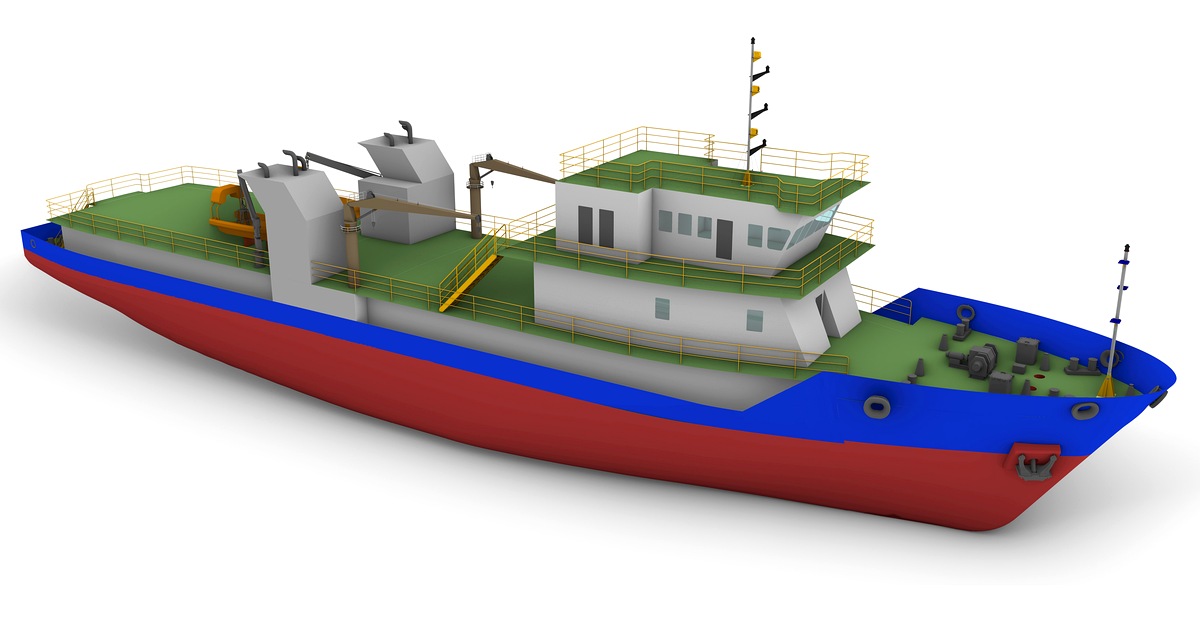
Developed based on client requirements including cargo type, deadweight, and vessel speed. Covers main particulars, hull form, resistance, propulsion sizing, and initial general arrangement.
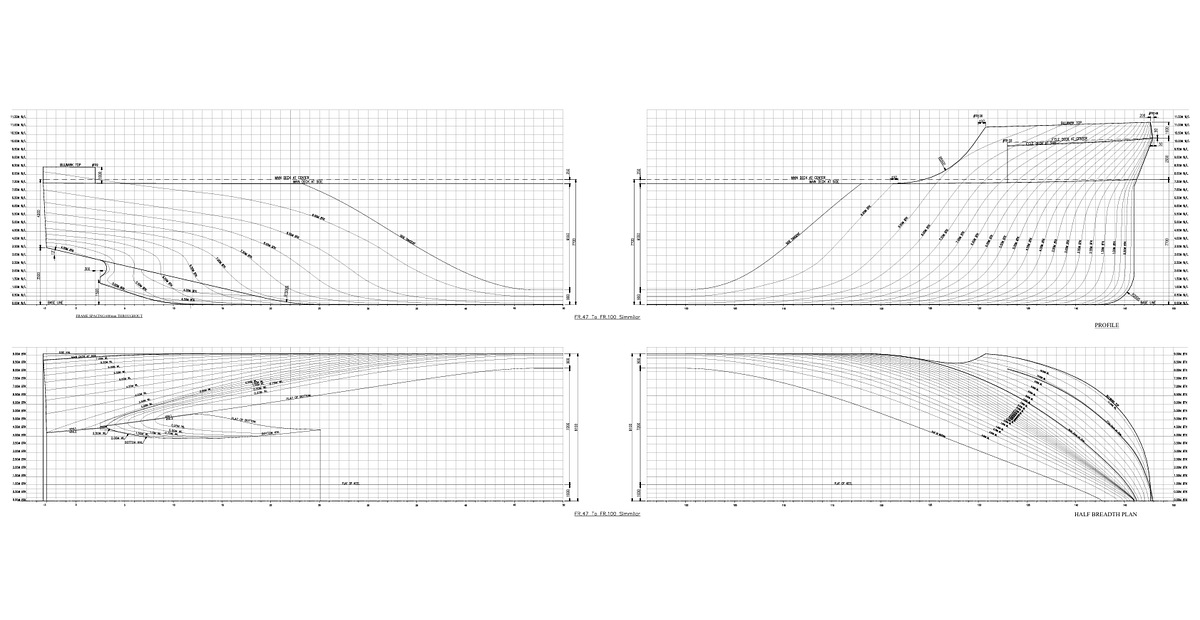
Hull form refined using CFD studies to meet displacement and buoyancy requirements, complying with intact stability, damage stability, and load line regulations.
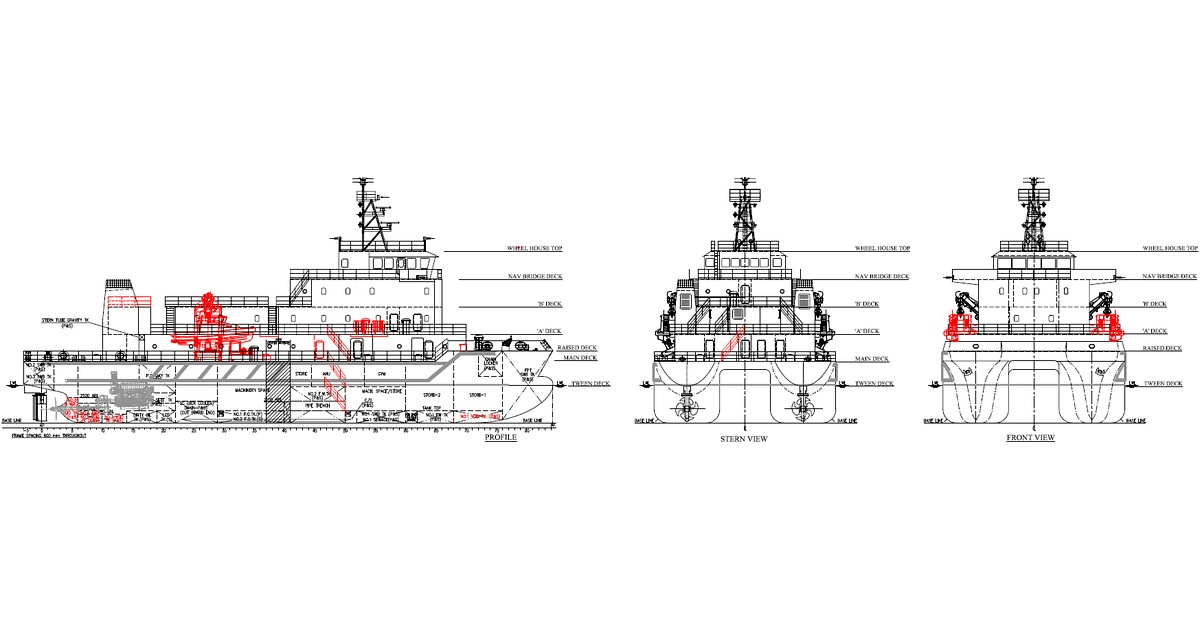
Spaces allocated and optimised for cargo and accommodation. Full SOLAS compliance including provisions for safety equipment and escape accesses.
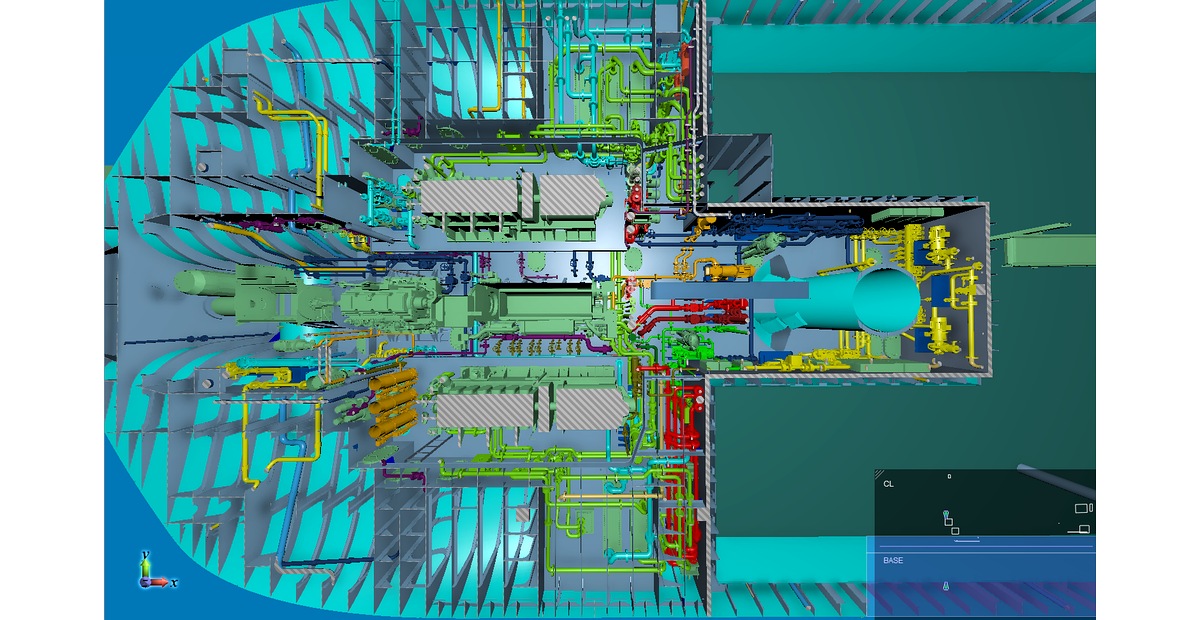
Machinery spaces sized to accommodate equipment and control the centre of gravity, with compartmentation complying with damage stability and load line requirements..
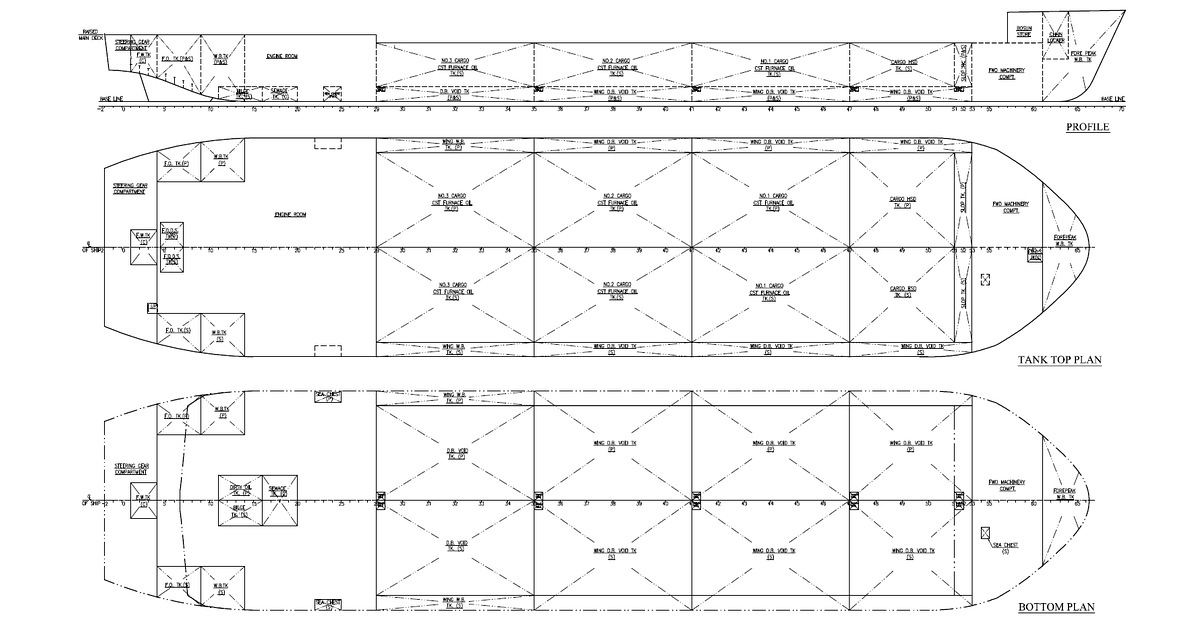
Cargo tanks and consumable tanks sized and arranged to meet functional and stability requirements, optimising capacity while maintaining full regulatory compliance.
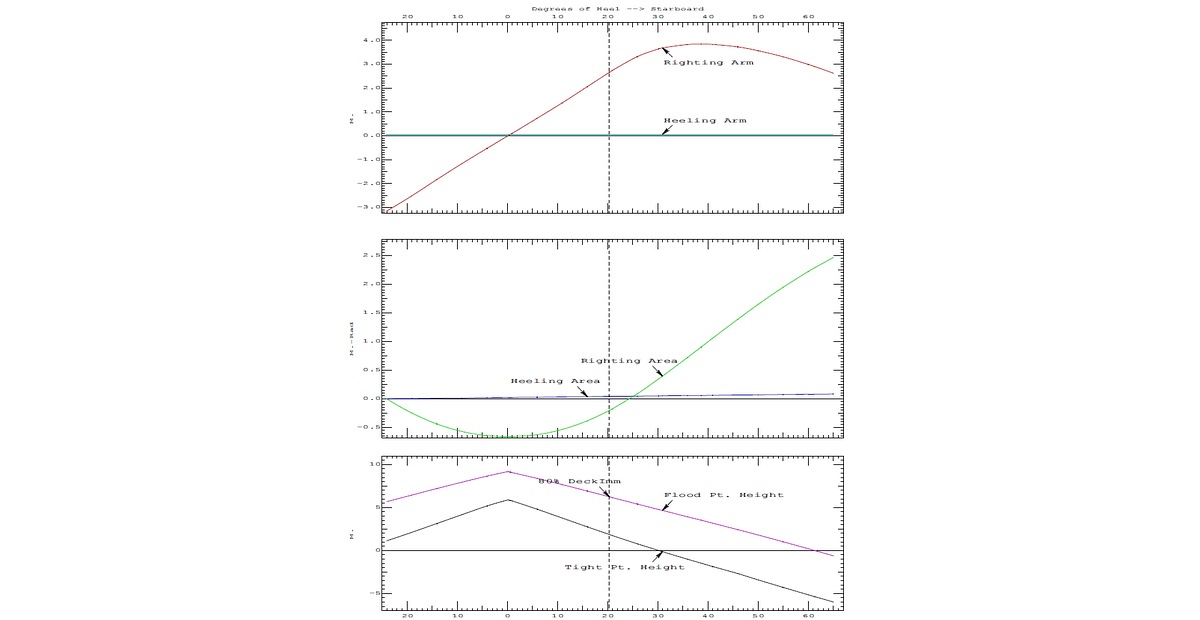
Stability compliance achieved through proper compartmentation, refinement of main particulars, and weight distribution to meet all regulatory requirements.
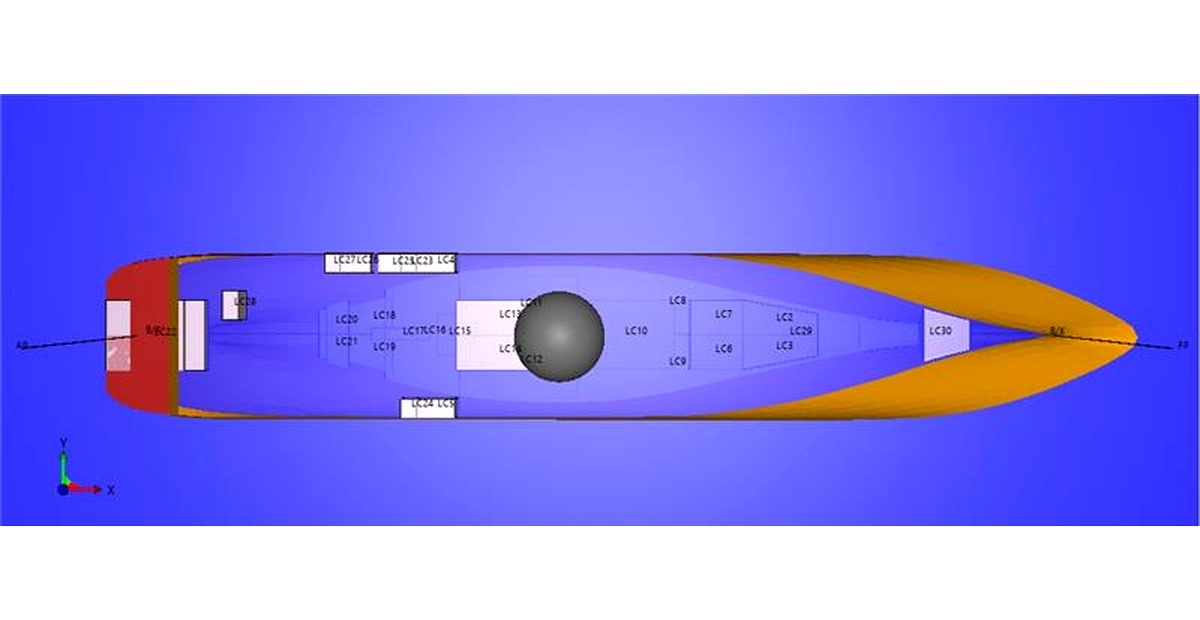
Based on sea-keeping characteristics evaluated in hydrodynamic analysis, the vessel design is reviewed and optimised from a motion control perspective.
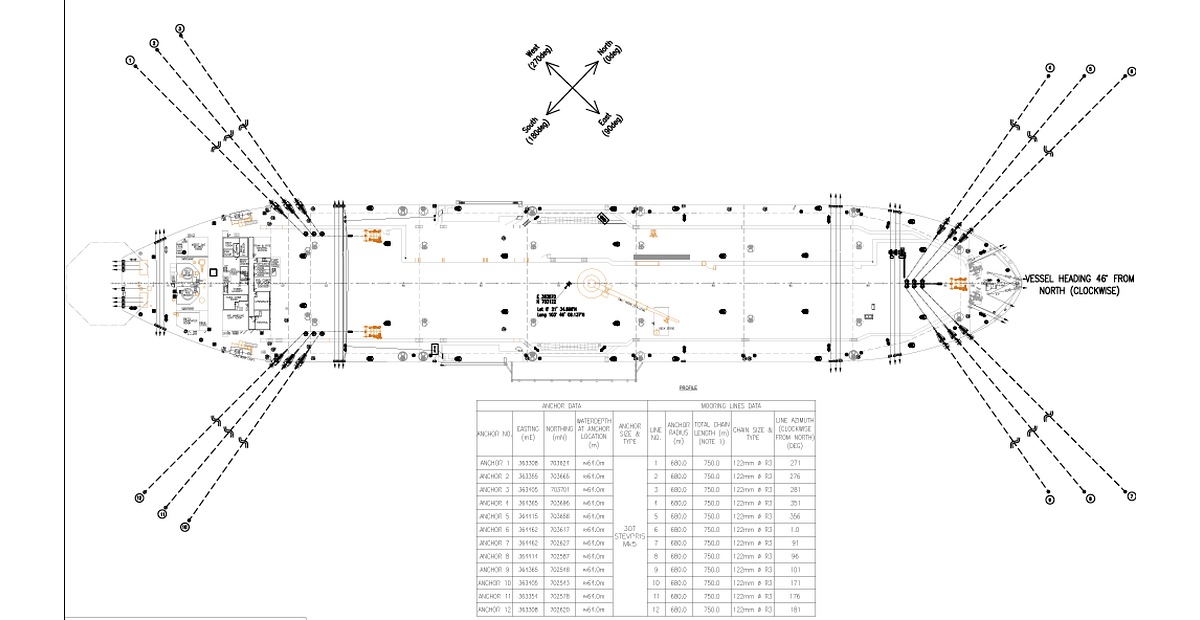
Static and quasi-static analysis for any mooring system type. Dynamic analysis in the frequency domain for wave frequency and low-frequency motion and tension responses.
Technology We Use
Ready to discuss your project?
Our naval architecture team is available to review your requirements and outline a design approach.
Get in Touch View Projects